LiSyM-Cancer Status Seminar 2026
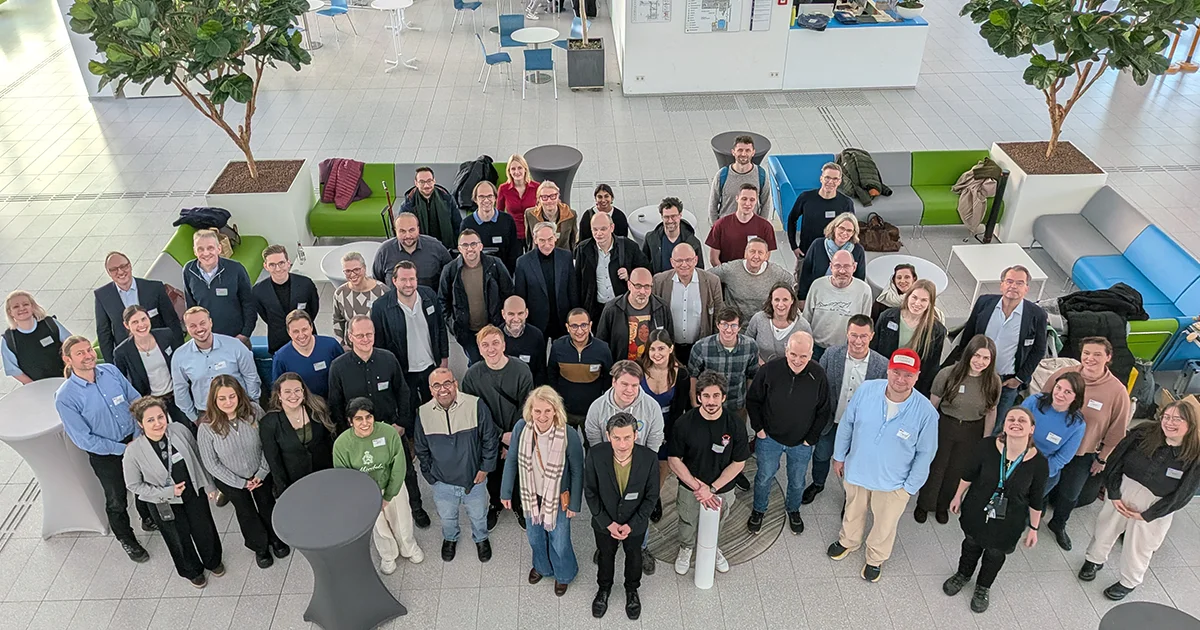
The LiSyM-Cancer Status Seminar 2026 successfully convened in Dresden at the TU Dresden’s Center for Regenerative Therapies between 24-25 February. This seminar provided a vital platform for around 80 members of the consortia as well as members of the Scientific Advisory Board and the Projektträger Jülich (PtJ) to come together and discuss their individual projects and progress, as part of a whole network.
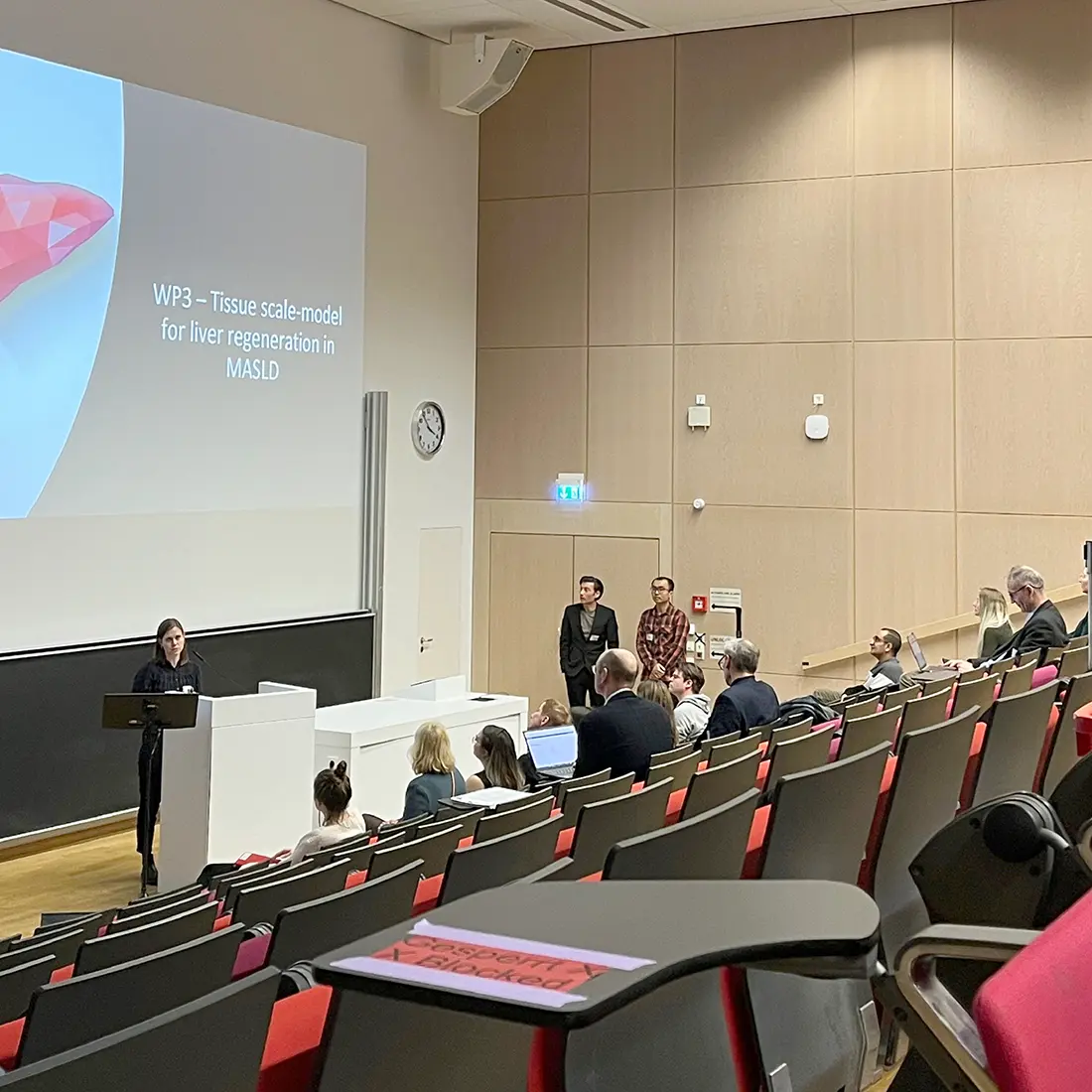
After registration, the participants were warmly welcomed to the seminar by DEEP–HCC Coordinator Prof. Dr. Jochen Hampe and Program Director Prof. Dr. Beat Müllhaupt. Each of the three consortia – DEEP-HCC, SMART-NAFLD and C-TIPP-HCC – presented their flagship projects, research progress and collaborations with clinical partners, and outlined their strategic objectives for the upcoming year.
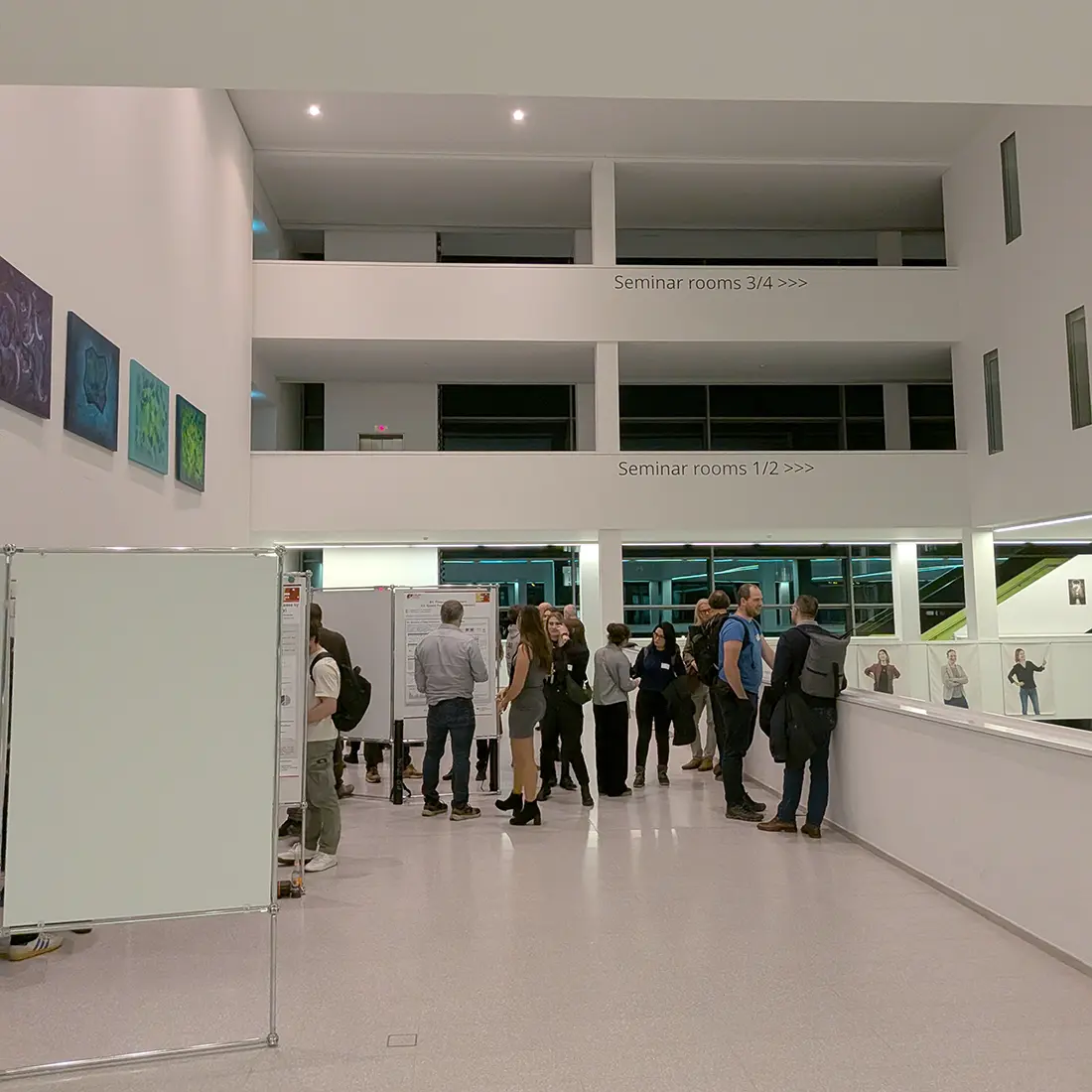
In addition to these project updates, the DM-PM team presented progress and challenges and gave an overview of upcoming events within the LiSyM-Cancer network. They also highlighted external training opportunities in scientific communication to strengthen public relations and communication skills. The consortia presentations were followed by engaging Q&A sessions, a dynamic poster session later that evening, and a networking dinner that encouraged dialogue among the attendees, with a less formal tone.
The second and final day of the seminar shifted the focus toward actionable innovation and technical exchange. The schedule featured two targeted workshops, one on clinical translation and another on the development of mathematical models and software exchange, designed to bridge the gap between theory and practice. Both of these workshops were interactive, engaging their participants and allowing them to learn from each other.
The seminar concluded with discussions aimed at increasing cross-consortial collaborations, followed by a constructive feedback session from the Scientific Advisory Board. This event served as a crucial catalyst for advancing the LiSyM-Cancer network’s mission to increase research for the early detection and prevention of liver cancer.
Postersession Interesting Talks Time for exchange during networking dinner